Controlled rigging for heavy wood
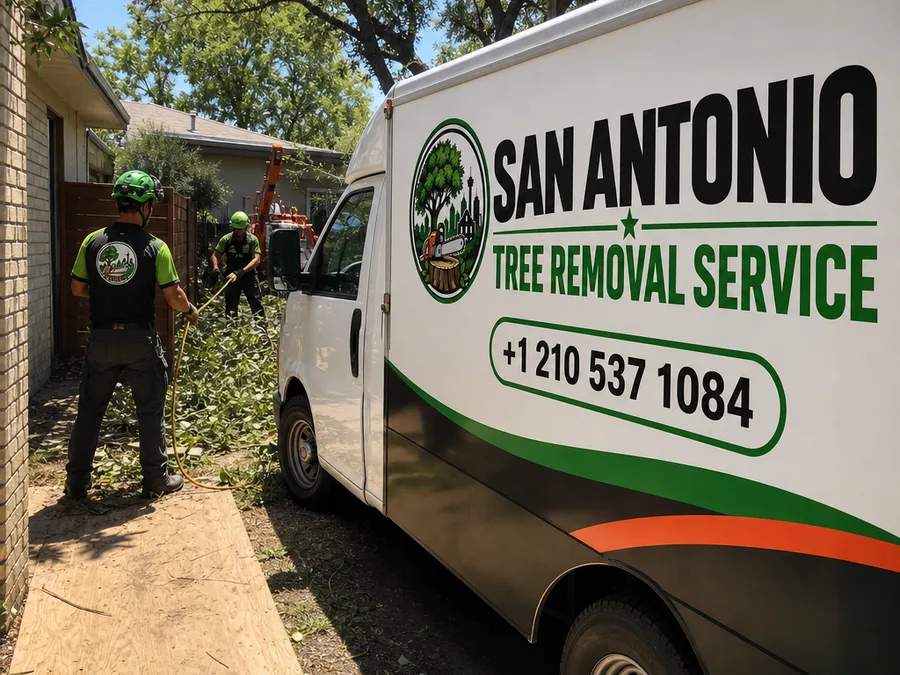
We use rope systems to lower sections safely when there is no clear drop zone, reducing impact to roofs, fences, and landscaping.
Serving San Antonio, Texas & surrounding areas
24/7 Emergency Response
Tree Surgeon · San Antonio, Texas
When a tree turns risky, you need skilled cutting, controlled rigging, and a clean jobsite. Get a clear plan for safe pruning or removal, even in tight yards and after storms.
✓Controlled rigging
✓Hazard-aware setup
✓Complete cleanup
Precision Tree Work
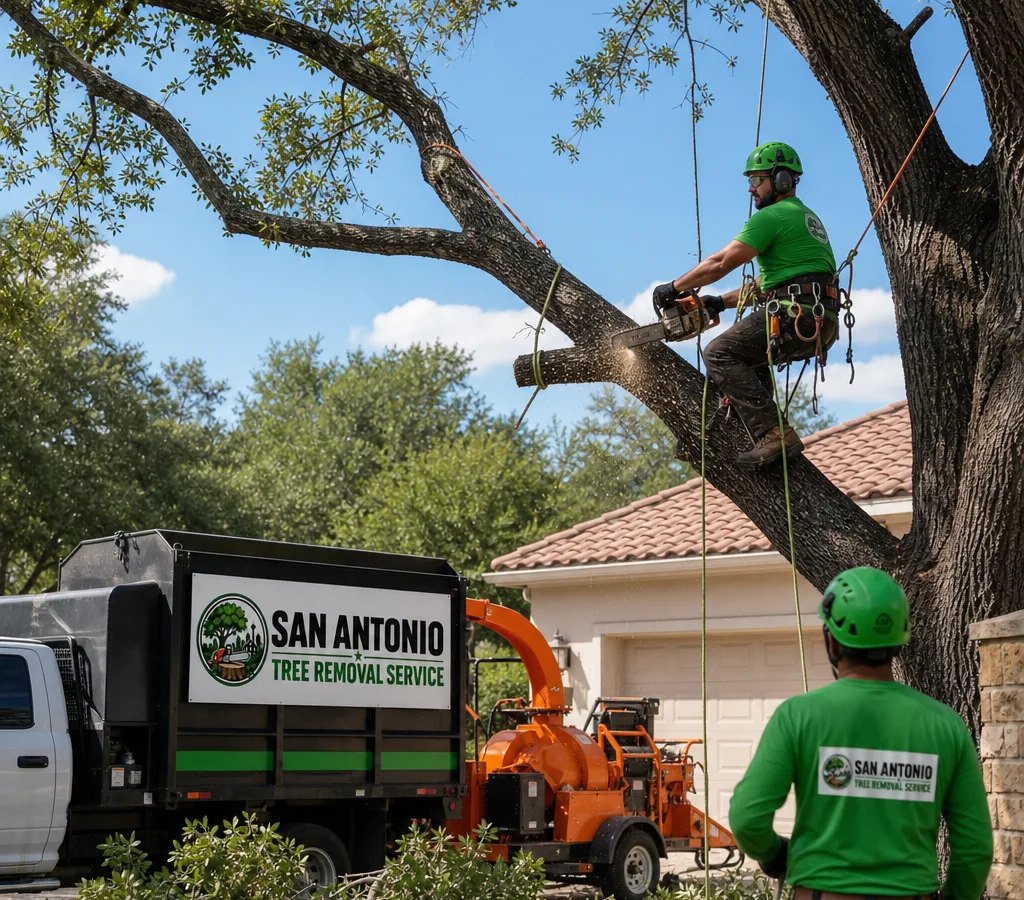
If you are searching for a tree surgeon San Antonio homeowners can trust, you are usually dealing with one of three problems: a tree that is failing, a limb that is over a roof or driveway, or storm damage that needs fast, controlled work.
A tree surgeon focuses on risk reduction and precision cutting. That means choosing the right cut locations, using proper rigging to lower heavy wood without shock-loading, and protecting structures, fences, and landscaping while the work happens. It can be as small as removing a single hazardous limb or as involved as dismantling an entire tree in pieces when there is no safe drop zone.
San Antonio yards often have trees close to patios, carports, and overhead service lines. The goal is simple: remove the hazard without turning the job into property damage. Our team at San Antonio Tree Removal Service scopes the work first, explains what will be cut and why, and then completes the work with a controlled plan for lowering, chipping, hauling, and final cleanup.
Controlled Hazard Work
A good plan matters more than brute force. When a limb hangs over a roof or a tree leans toward a neighbor's fence, the safest approach is usually sectional removal with ropes, friction control, and a drop zone that stays inside your property lines.
Common situations we handle:
If you are deciding between pruning and removal, the deciding factor is usually risk: canopy weight distribution, structural defects, and targets below such as roof lines, parked vehicles, and play areas.
Care From Setup To Cleanup
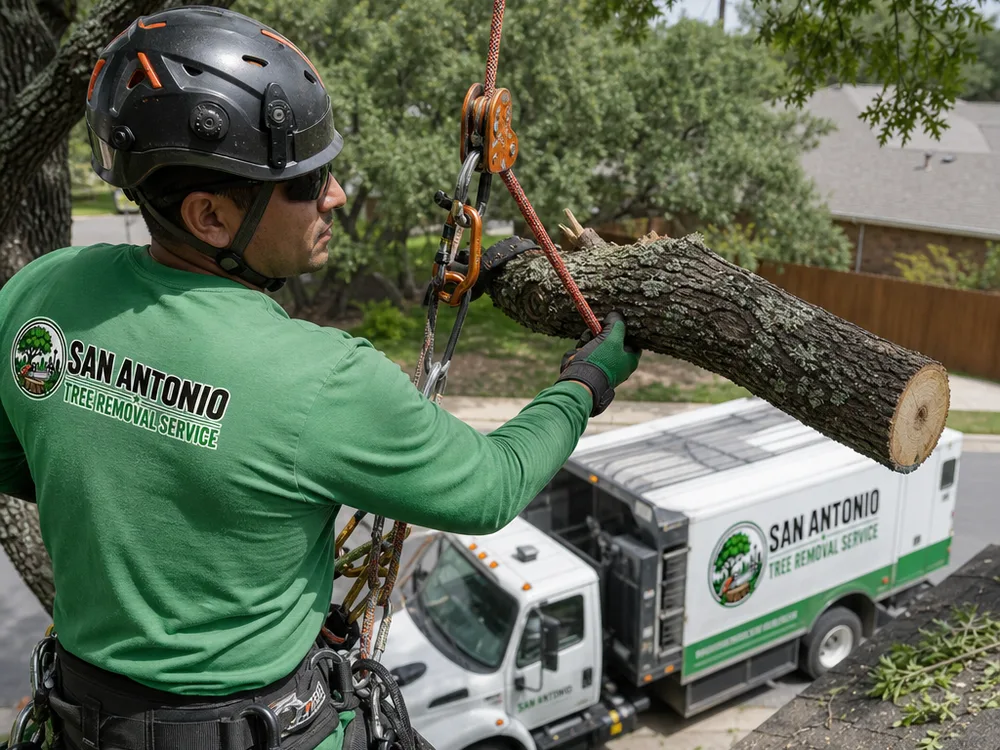
We use rope systems to lower sections safely when there is no clear drop zone, reducing impact to roofs, fences, and landscaping.
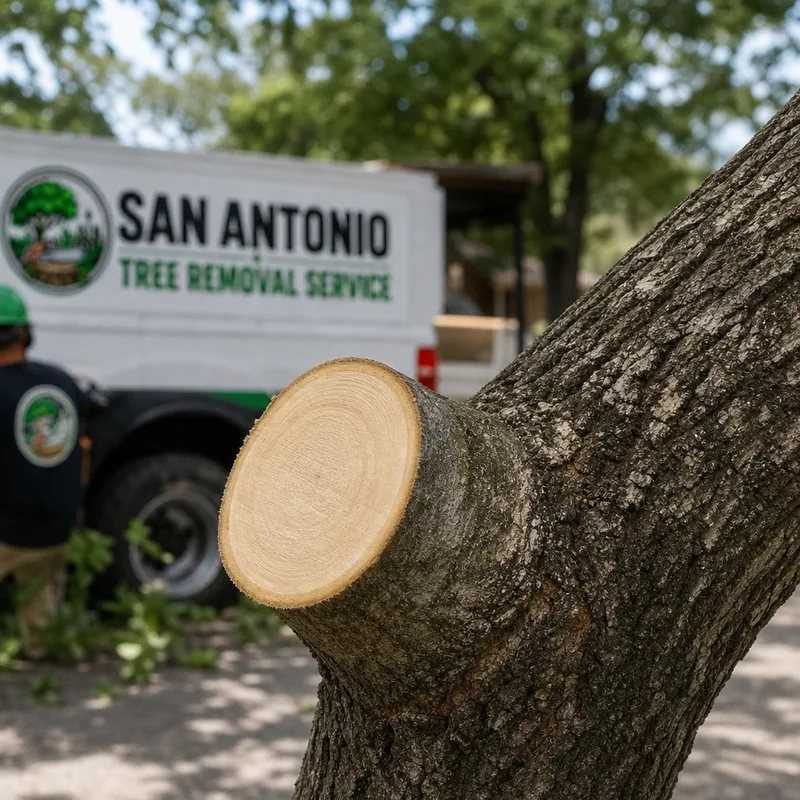
Cuts are placed to avoid tearing bark and to manage weight correctly. When pruning is the right choice, the goal is stability and clearance, not random topping.
Work zones, traffic control on driveways, and clear communication with anyone on site. Safety setup matters as much as the saw work.
You should know what is being removed, what stays, and what the cleanup includes, so there is no confusion when the job is done.
Brush is chipped, logs are handled as agreed, and the area is raked and blown off so you are not left with a mess.
South Texas Conditions
Tree work is always local, because the risks are local. In San Antonio, a few conditions show up often:
We also plan around overhead lines and service drops. If a tree is tangled in lines or is touching them, that changes the scope immediately. Safety comes first, and the safest plan is often to coordinate timing and access so the work can be performed without rushing.
Inspection To Cleanup
We look at the whole tree: lean, crown weight, defect points, targets below, and access for equipment and haul-out.
You get a clear description of what will be removed or pruned, what the cleanup includes, and any site considerations like gates, pets, or parking.
We stage equipment, establish drop zones, and set rigging points. If pieces must be lowered, the rope path and landing zone are planned before cutting.
Hazard limbs are removed first when appropriate, then the tree is reduced or dismantled in sections. Wood is managed to avoid impact and property damage.
Brush is chipped, logs are handled per the agreed scope, and the area is cleared so you can use the yard immediately.
On-Site Pricing
Most tree surgeon work in San Antonio typically ranges from about $250 to $900 for targeted pruning or hazardous limb removal, while complex removals in tight spaces often run $900 to $3,500+ depending on size and rigging needs.
Price depends on tree height and trunk diameter, whether rigging and sectional dismantling are required, access such as gates, slope, and backyard carry-out, proximity to roofs or lines, and how much debris you want hauled away. The exact cost is confirmed after an on-site inspection so the scope and safety plan match the conditions in your yard.
Field Examples
Helpful Answers
San Antonio tree surgeons commonly do both pruning and full removals, and the right choice depends on risk and structure. If the tree has major decay, severe lean toward a target, or repeated limb failures, removal is often the safer long-term option. If the structure is sound, selective pruning for clearance and weight reduction can solve the hazard without losing the tree.
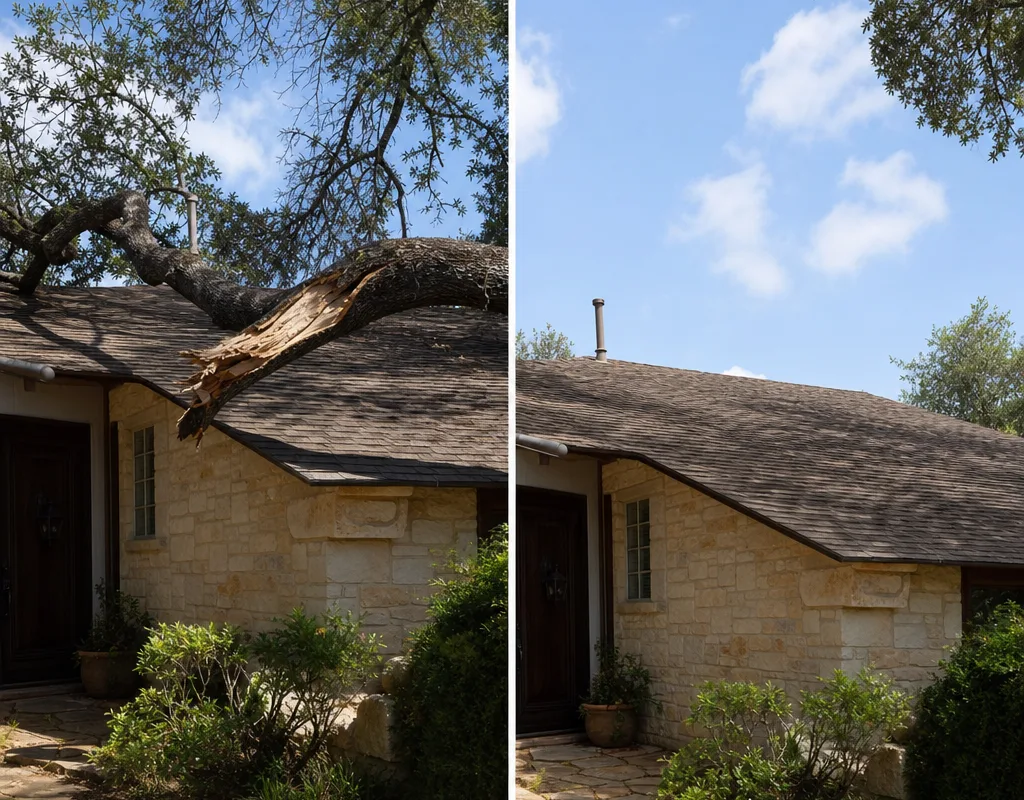
Many storm-damage situations can be handled quickly once the site is safe to access, but timing depends on what is hanging and what it is over. A limb suspended over a roof or driveway usually requires rigging and careful lowering, which takes longer than simple ground-access cleanup. If you have a hanger, keep people away from the area until a crew can secure it.
Cost goes up when the tree must be dismantled in small pieces because there is no safe drop zone. Close setbacks, fences, pools, and landscaping often mean more rigging time, more controlled lowering, and more labor to move debris through gates. Parking and staging limitations can also add time when equipment has to be set farther away.
Work near lines requires extra planning, and trees contacting or entangled with lines should be treated as a high-risk situation. The safe approach depends on clearance, the type of line, and access for controlled lowering. During an inspection, we confirm the safest method and whether any coordination is needed before cutting begins.
Yes, debris handling is part of the scope and should be clearly defined before the job starts. Typical cleanup includes chipping brush, removing or stacking logs as agreed, and raking or blowing off the work area. If you want wood left for firewood or milling, that can be planned into the scope so it is neat and accessible.
Make sure gates are unlocked, vehicles are moved out of the work zone, and pets are secured inside. If the work is near a driveway or street edge, leave space for safe staging. Also point out any sprinklers, low-voltage lighting, or septic components so the crew can protect them during setup and haul-out.
Start With An On-Site Assessment
Tell us what you are seeing: cracked limbs, leaning trunks, branches over the roof, or storm damage. We will inspect the tree, explain the safest approach, and provide a clear scope for pruning or removal with cleanup included.